

Dr. Marco Ha · Case editor and medical reviewer
Pediatric surgery, trauma surgery, hyperbaric and diving medicine · Last medically reviewed
Direct answer
Is an increasingly sunken chest caused by being thin?
Being thin may make a chest depression more visible, but it does not by itself cause pectus excavatum. Pectus excavatum is an inward shape of the sternum and adjacent costal cartilages, and it may become more apparent during rapid growth. Treatment should not be based on appearance or one measurement alone; change with growth, symptoms, cardiopulmonary or exercise function, chest shape and psychosocial impact all matter.
This case has been rewritten for education. The child’s age, indices, test results and long-term outcome were not supplied and are not inferred.
A mother’s first question was, “Why is it getting deeper?”
She explained that the depression had been subtle when her child was younger but became easier to see with growth. “Is this just because my child is thin? Will it fix itself later?”
These are understandable questions. Pectus excavatum is an inward chest-wall shape involving the sternum and costal cartilages, rather than simply a thin body type or poor posture. Growth can make the contour more apparent, but anatomy, function and personal impact differ from one child to another.
Dr. Ha often tells families: “We do not look only at whether the chest is sunken. We look at what the depression is doing to the child.”
Dr. Ha’s clinical reasoning: connect appearance, function and growth
- Chest-wall shape: location, depth, symmetry, rib flare, spine and posture, and whether the depression is progressing.
- Activity and symptoms: unusual breathlessness, chest discomfort, palpitation, fatigue or difficulty keeping up during exercise.
- Selected tests: not every child needs the same panel. Chest imaging, echocardiography, pulmonary-function tests and exercise testing are chosen according to symptoms, severity and treatment planning.
- The child’s own experience: avoidance of swimming, changing rooms, sport or social situations. Psychosocial impact is a real health domain, but appearance anxiety alone should not rush a family into surgery.
Why did this case proceed to a Nuss repair?
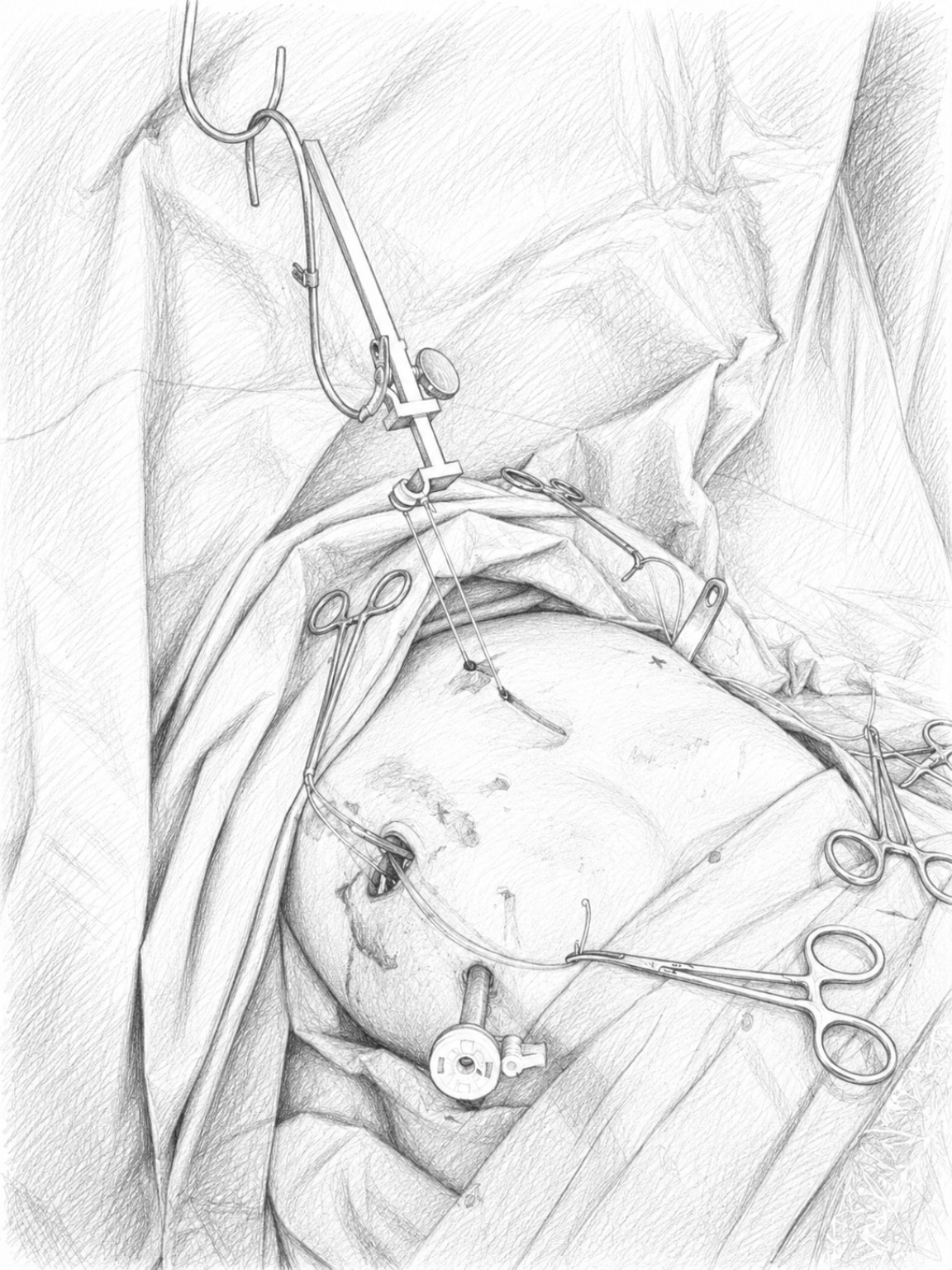
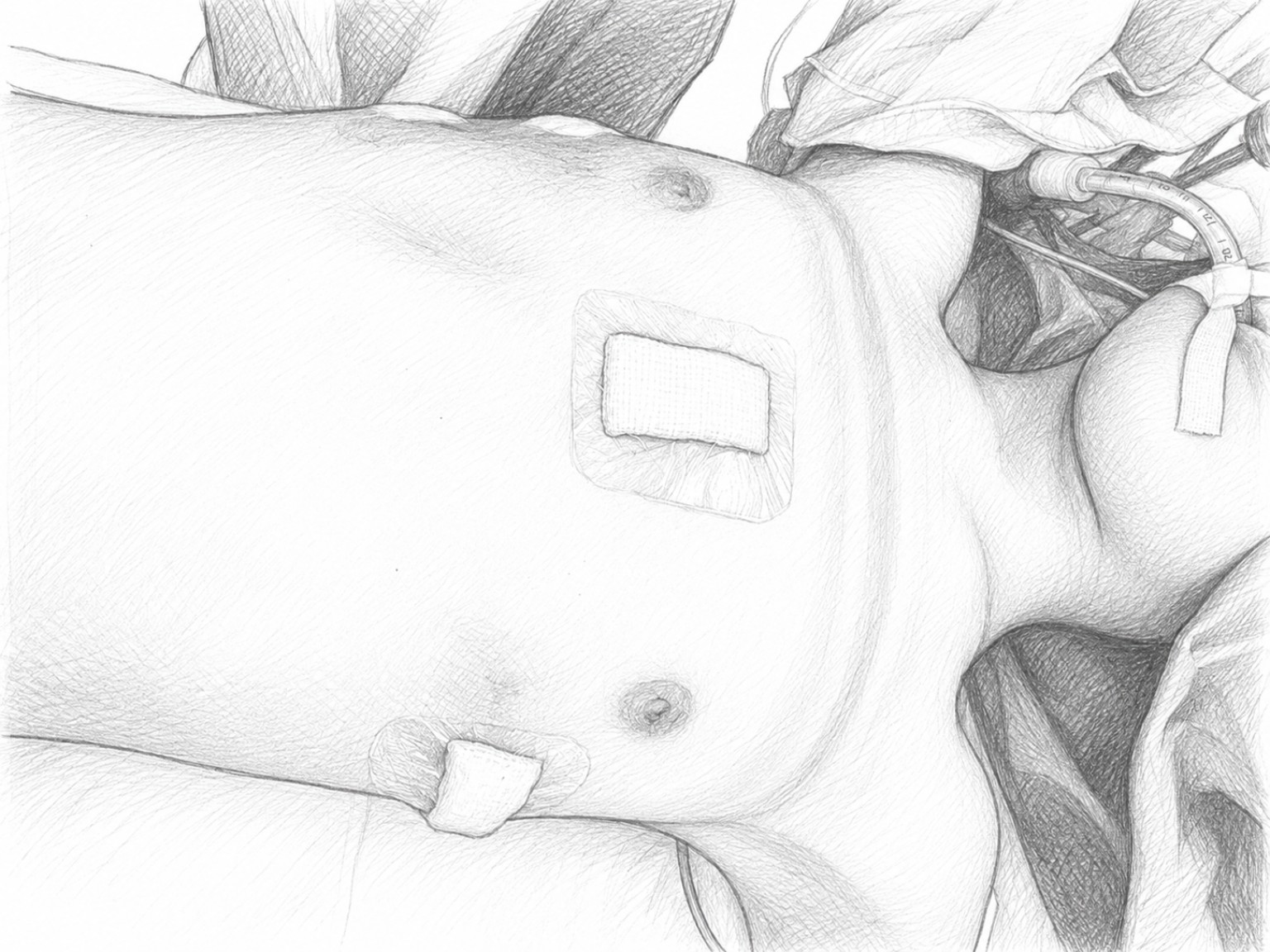
After an individualized evaluation and a discussion of observation, expected benefits, limitations and risks, this case proceeded to thoracoscopy-assisted Nuss repair. Through small lateral incisions, a shaped metal bar is passed behind the sternum and rotated to elevate the depression. The bar remains for a period and is removed in a planned later procedure.
This does not mean every child with a visible depression needs the same operation. The supplied images cannot reveal the child’s Haller Index, number of bars, symptoms or long-term result. Surgery requires a balanced discussion of pain, bleeding, infection, pneumothorax, heart or major-vessel injury, allergy, bar displacement, recurrence and another operation for bar removal.
What can parents observe at home?
- Whether the depression deepens or becomes more asymmetric over months or years.
- Whether running, stairs or sport causes disproportionate breathlessness, fatigue, chest pain or palpitation.
- Whether the child persistently avoids swimming, changing, exercise or social situations because of chest appearance.
- Avoid explaining everything as “being thin,” but also avoid treating a mild, asymptomatic contour as an emergency.
A mild depression without meaningful functional or psychological impact can often be monitored after assessment. New or progressive concerns warrant review. Sudden severe chest pain, fainting, respiratory distress or cyanosis requires urgent local emergency care rather than a routine appointment.
Frequently asked questions about pectus excavatum and Nuss repair
Does a sunken chest always mean pectus excavatum?
No. Body build, posture and other chest-wall differences can make the chest look sunken. A clinician assesses the shape of the sternum and costal cartilages, symmetry, change with growth and symptoms.
Is pectus excavatum caused by a child being thin?
No. Being thin can make the depression easier to see, but pectus excavatum is an inward chest-wall shape involving the sternum and adjacent costal cartilages. Weight alone does not explain it.
Will a child outgrow pectus excavatum?
It cannot be guaranteed. Some mild depressions change little, while others become more apparent during rapid growth. Posture and exercise can improve fitness and appearance but do not structurally reposition the sternum.
When should a child with a sunken chest be assessed?
Assessment is appropriate if the depression deepens with growth, exercise causes unusual breathlessness or fatigue, there is chest pain or palpitation, activity is limited, or body-image concerns lead to persistent avoidance of swimming, changing or social activities.
Does every child with pectus excavatum need a CT scan?
No. Evaluation begins with history and examination. Chest imaging, echocardiography, pulmonary-function tests or exercise testing are selected according to severity, symptoms and treatment planning.
Can pectus excavatum be ignored if a child has no symptoms?
Mild pectus without functional or psychological impact can often be observed, while growth, exercise tolerance and the child’s experience are monitored. No symptoms does not mean surgery is needed, but it also does not mean follow-up is never useful.
What is the Nuss procedure?
The Nuss procedure is a minimally invasive repair in which a shaped metal bar is placed behind the sternum to elevate it. The bar remains for a period before planned removal; details depend on chest shape and the treating team.
When is surgery considered for pectus excavatum?
Appearance, age or one index alone should not decide. The team considers depth and asymmetry, symptoms, cardiopulmonary or exercise findings, chest flexibility, growth, psychosocial impact and family goals, then discusses risks such as pain, bleeding, infection, pneumothorax and bar displacement.
References
- Joint specialist societies best-practice consensus on pectus excavatum (2024)
- American Pediatric Surgical Association: Pectus Excavatum parent information
Population studies and consensus inform shared decisions but cannot predict one child’s result. This page does not replace an examination.
This is a case-based educational page. Severity, testing, treatment and recovery require an individual clinical assessment. Last updated September 15, 2026.