

Dr. Marco Ha · Case editor and medical reviewer
Pediatric surgery, trauma surgery, hyperbaric and diving medicine · Last medically reviewed
Direct answer
Is a buried penis too small, and can circumcision fix it?
A buried or concealed penis is usually normal or near-normal in size but hidden by surrounding fat, skin or abnormal tissue attachments. Surgery is considered for functional problems such as difficult urination, hygiene, recurrent inflammation, structural trapping or persistent distress. It should not be treated as routine “excess foreskin” before a reconstructive assessment, because that skin may be needed for repair.
This is a de-identified educational case. The operation and recovery must be individualized to the child’s anatomy, symptoms and treating team.
Twelve is an age when the body matters deeply—and can be hardest to discuss
The child sat quietly while his mother asked, “It has always looked hidden. We thought growth and puberty would fix it. Did we wait too long?”
Many families reasonably observe first. That is not automatically a mistake. The important questions are whether urine wets the clothes, cleaning is difficult, skin becomes repeatedly irritated, or changing and sports at school cause ongoing embarrassment. Children may not volunteer these details, even when they affect confidence every day.
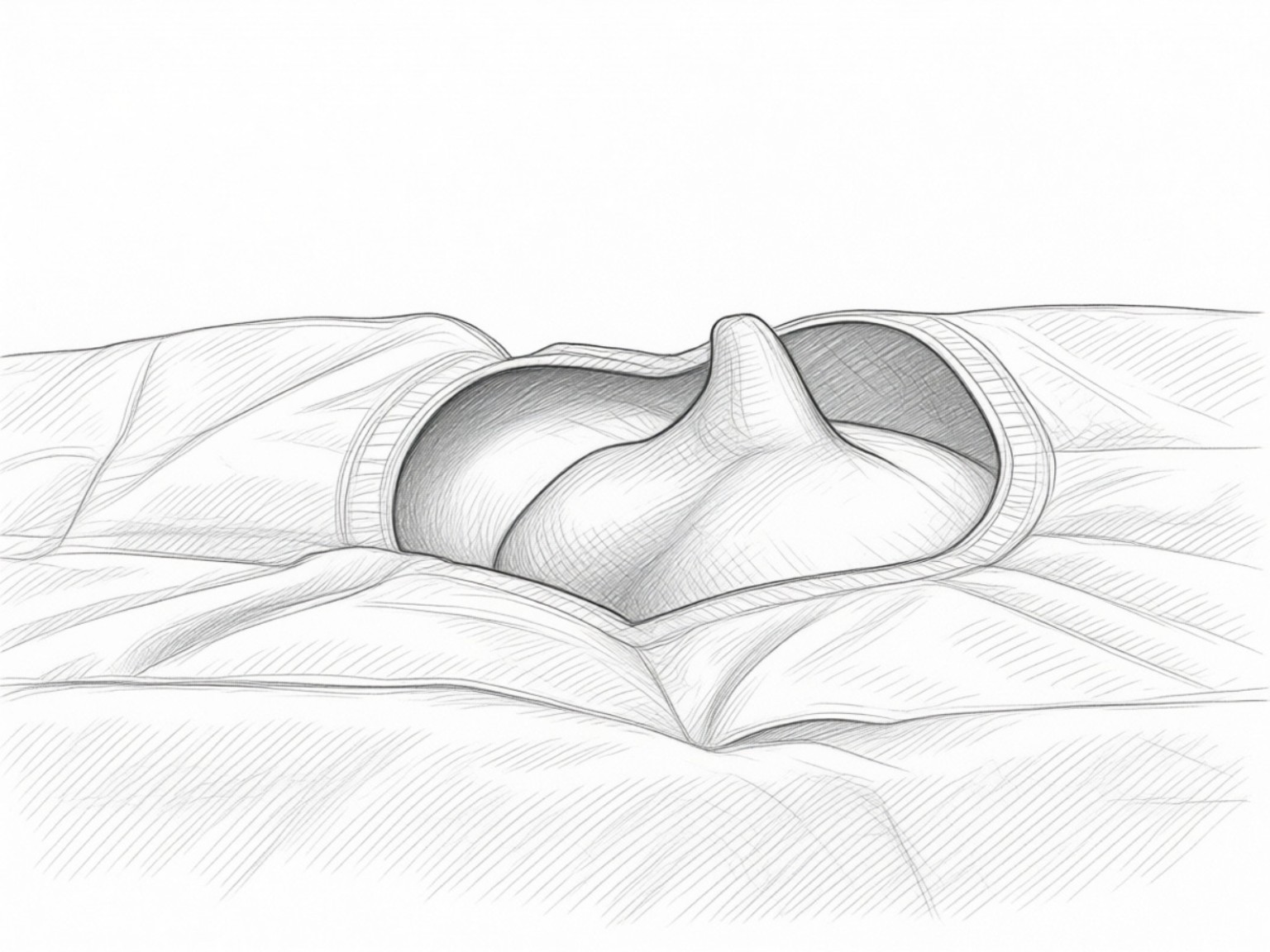
History and examination showed that the penile body was not intrinsically too small. It was concealed by the surrounding tissues, consistent with a buried penis. Dr. Ha first explained that this was not the child’s fault. Medical care was addressing anatomy, function and distress—not assigning a score to his body.
Dr. Ha’s clinical reasoning: distinguish “too small” from “hidden”
An apparently short penis is a visual description, not a diagnosis. A respectful assessment includes:
- Exposure and measurement: compressing the suprapubic tissues and measuring stretched penile length to distinguish concealment from true micropenis.
- Anatomy: checking skin attachment and reserve, the penoscrotal junction, scars, meatal position, webbing and possible hypospadias.
- Function: asking about urinary direction, post-void wetting, trapped urine, cleaning difficulty, irritation and infection.
- The child’s experience: giving an adolescent privacy and a non-shaming way to describe pain, changing-room concerns and daily impact.
Why was penoplasty chosen in this case?
Not every buried penis requires surgery. Observation may be appropriate when a young child urinates normally, hygiene is manageable, and there is no recurrent inflammation, scar trapping or persistent functional problem. In this 12-year-old, concealment remained relevant to urination, hygiene and body-related distress. After the child and parent understood observation, surgery, limitations and follow-up, they chose penoplasty.
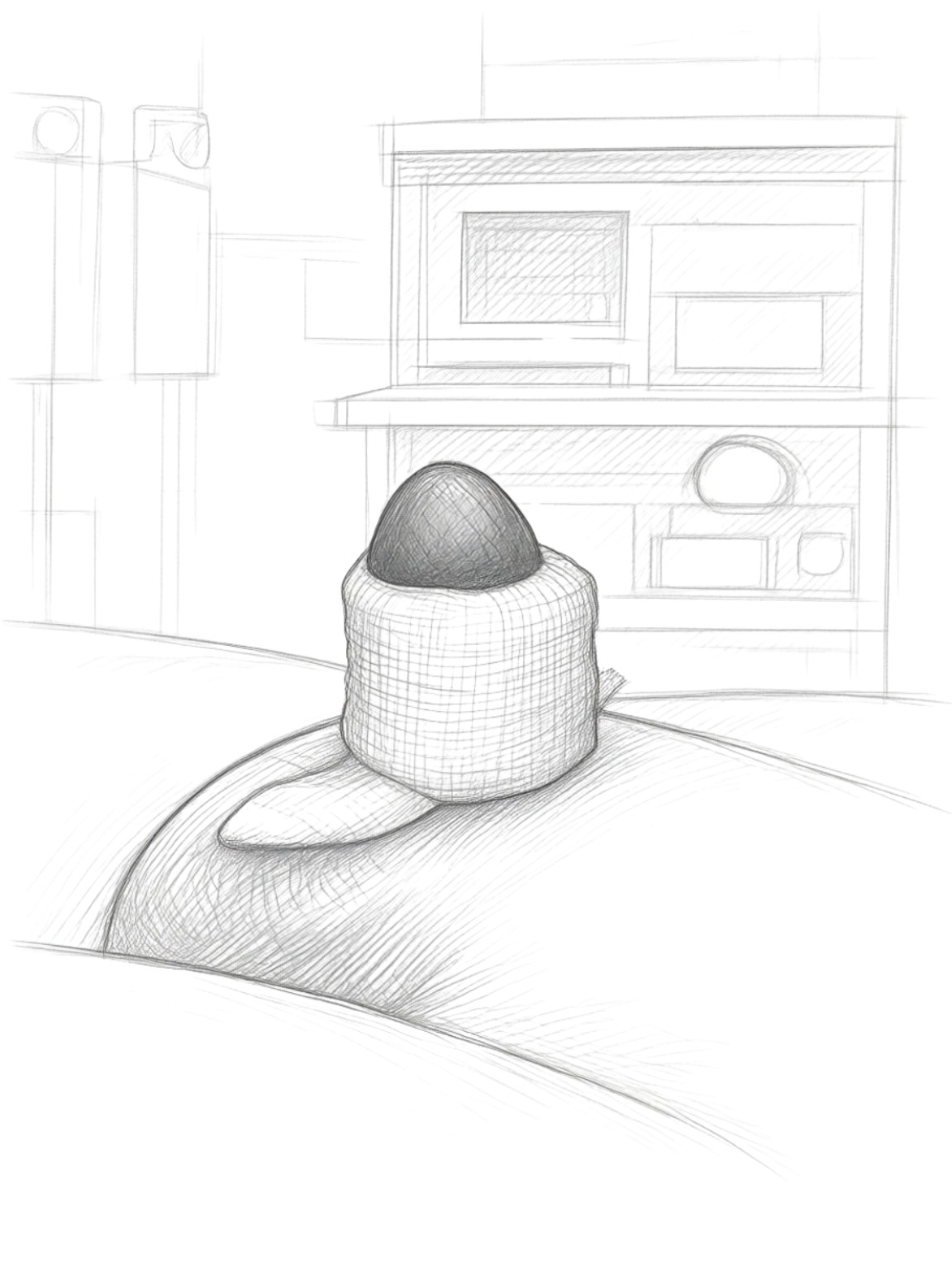
The operation was not intended to stretch or enlarge the penile body. Its purpose was to release restricting tissue, restore stable attachment and redistribute available skin so the penis could sit in a more normally exposed position. The exact steps depend on the cause—skin attachment, skin deficiency, suprapubic tissue, scarring and the penoscrotal angle—so one named technique should not be marketed as a universal solution.
Five common misconceptions about a buried penis
1. “If it looks short, it must be a micropenis.”
No. Micropenis is based on an age-appropriate stretched penile length. A buried penis is usually normal in corporal length but concealed. Photos, peer comparison and visual inspection alone cannot establish the diagnosis.
2. “Puberty will definitely make it disappear.”
Body-fat distribution may change, but abnormal attachments, deficient skin, penoscrotal webbing or scar trapping may persist. Observation should have defined functional checkpoints rather than becoming indefinite waiting.
3. “Circumcision first will expose it.”
Routine circumcision addresses foreskin, not deeper tethering. Removing skin that may be needed for reconstruction can make later repair more difficult.
4. “Obesity is the only cause, so weight loss is the only treatment.”
Suprapubic fat can increase concealment, but skin attachment, fascial tethering, webbing and scars may also contribute. Healthy weight management supports overall health but does not replace an anatomical examination.
5. “The child is overthinking it.”
Wetting, hygiene, sports, changing rooms and privacy are real aspects of function. Listening does not commit a family to surgery; it allows a safer, shared decision.
What matters after surgery?
Early swelling, bruising, sensitivity and temporary asymmetry can occur. Dressing care, bathing, ointment, whether any gentle compression is required, and timing of cycling, swimming or sports depend on the reconstruction and must follow the treating team’s instructions.
- Confirm that urination remains possible and discomfort improves rather than worsens.
- Keep the wound clean as instructed; do not apply alcohol, hydrogen peroxide or unapproved remedies.
- Attend follow-up for skin perfusion, swelling, infection, adhesion, scarring and recurrent concealment.
- Seek urgent care for inability to urinate, persistent heavy bleeding, skin that becomes black or unusually pale/cold, high fever, or rapidly spreading redness.
Frequently asked questions
Is a buried penis the same as a micropenis?
Usually not. A buried penis is generally normal or near-normal in size but concealed by fat, skin or abnormal attachments. Micropenis is diagnosed by an age-appropriate stretched penile length measurement.
Can a child with a buried penis simply be circumcised?
Routine circumcision should not be performed before the anatomy is assessed. Foreskin or shaft skin may be needed for reconstruction, and circumcision alone does not release deeper tethering.
Does every buried penis require surgery?
No. The decision depends on urination, hygiene, recurrent inflammation, scarring or structural abnormalities, and persistent psychosocial burden—not appearance alone.
Does penoplasty lengthen the penis?
The operation does not lengthen the corporal body. It releases tethering, restores fixation and redistributes skin so the normally sized penis can sit in a more exposed position.
When should a child with a buried penis be evaluated?
Assessment is appropriate whenever concealment causes wetting, difficult hygiene, recurrent inflammation, scar trapping or meaningful distress. Families do not have to wait for puberty.
References
- EAU Paediatric Urology Guideline: phimosis and abnormalities of penile skin
- Lurie Children’s: pediatric buried penis
- Modified penoplasty for concealed penis in children (case series)
Case series can describe feasibility and observed outcomes but cannot provide an individual child’s success rate. This page does not replace an examination.
This clinical story has been de-identified and rewritten for education. Treatment and recovery vary. Last updated August 20, 2026.