

Dr. Marco Ha · Family case author and medical reviewer
Pediatric surgery, trauma surgery, hyperbaric and diving medicine · Last medically reviewed
Direct answer
If brushing the upper front teeth hurts, is the frenulum responsible?
Possibly, but appearance alone cannot establish the cause. The maxillary labial frenulum is normal anatomy and varies widely. Further assessment is appropriate when pain is reproducible as the upper lip is lifted or the same site is brushed and oral hygiene is genuinely impaired. Gingivitis, ulcers, tooth decay or trauma, eruption, brushing technique and other mucosal conditions must also be considered.
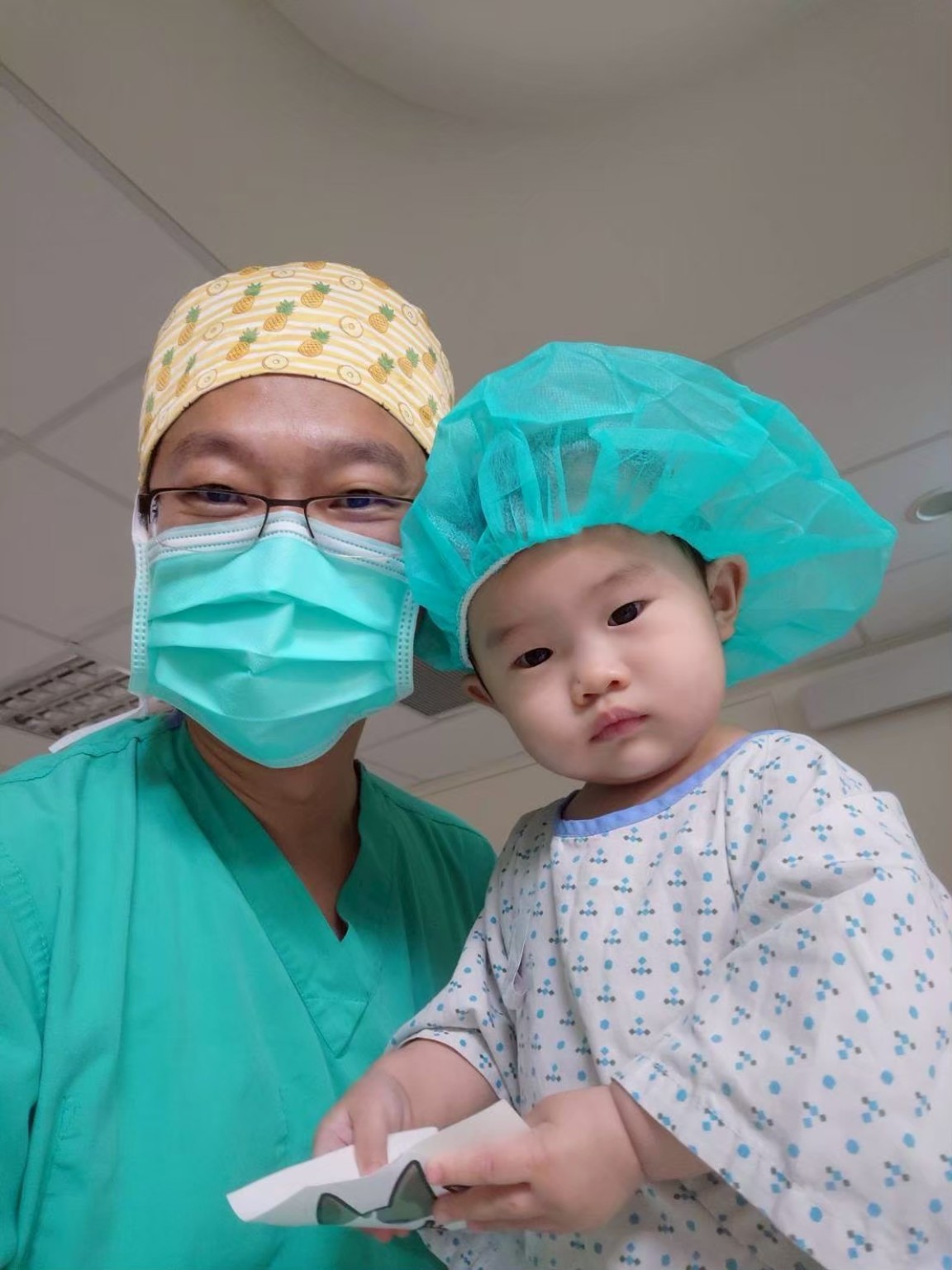
This page shares the author’s own family case. The photograph is published with family consent; one case cannot define diagnosis or surgery for every child.
As a doctor, I understood the assessment; as her father, it felt entirely different
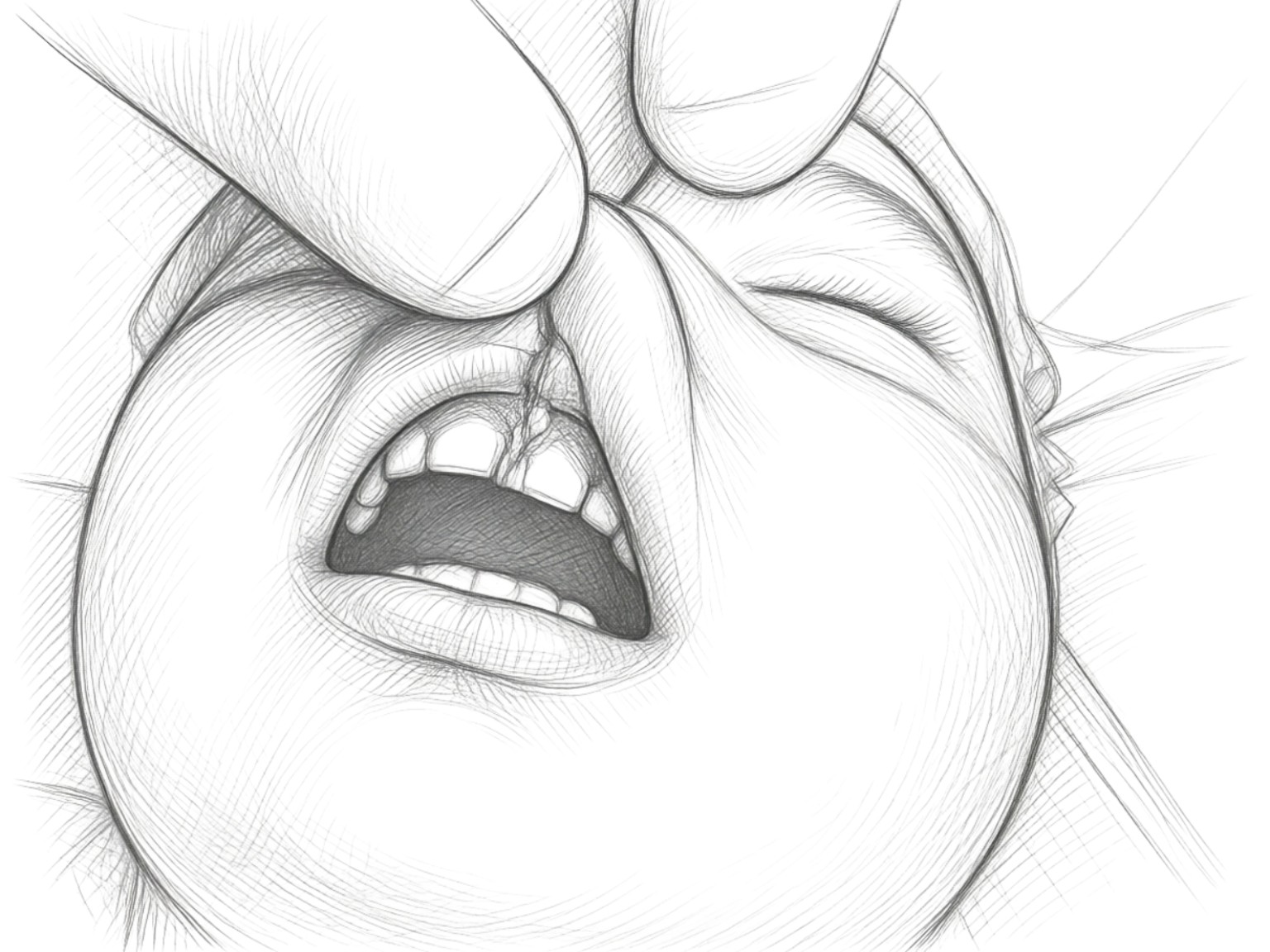
Dr. Ha’s daughter repeatedly resisted toothbrushing when the brush touched near the upper front teeth. At first this looked like an ordinary dislike of brushing. Closer examination showed the upper-lip frenulum extending into the area between the central incisors.
The maxillary labial frenulum is normal tissue joining the inside of the upper lip to the gum. Being thick, visible or low-inserting does not automatically make it a disease. In this case, a fixed site of pain could be reproduced and the problem was interfering with brushing.
Dr. Ha knew that the issue could be assessed and treated. Yet watching his own daughter prepare for the operating room made this one of the most emotionally difficult procedures of his career.
Dr. Ha’s clinical reasoning: identify where and why it hurts
- Reproduce the symptom: does pain consistently occur when the lip is elevated, the same point is brushed or the frenulum is placed under tension?
- Examine the whole mouth: look for inflamed or bleeding gums, ulcers, caries, dental trauma, erupting teeth, plaque and brushing technique.
- Define functional impact: is cleaning of the upper teeth obstructed, is tissue repeatedly injured, or is the child persistently refusing oral hygiene because of pain?
- Consider dental development: frenulum position and a midline gap can change with growth. Pediatric dental or orthodontic input is important when spacing, periodontal health or alignment is part of the question.
Why was the frenulum treated in this case?
After assessment, Dr. Ha personally performed an individualized upper-lip frenulum release for his daughter. The practical goal was simple: allow brushing without repeatedly triggering pain and fear at the same site.
Frenotomy, frenectomy and frenuloplasty describe different tissue procedures; scissors, electrosurgery and laser are different tools. Because the exact technique was not supplied for publication, this page does not turn an unspecified detail into a universal recommendation. Planning depends on age, anatomy, symptoms, dental development, anesthesia needs and goals. Risks can include pain, swelling, bleeding, infection, scar, reattachment, incomplete symptom relief and anesthesia-related complications.
Sometimes a child is not simply being difficult
Parenthood changed how Dr. Ha experiences pediatric surgery. A clinician may see a small band of tissue and a problem to assess; parents see the many ordinary meals, brushing struggles and tears that stay in their minds.
In good light and only if the child agrees, a parent may gently lift the upper lip to look. Do not pull forcefully, repeatedly press a painful spot or attempt to cut it at home. If brushing the upper teeth predictably hurts in the same place, the gum bleeds, a sore is present, or pain prevents cleaning, seek a professional assessment. The child may not be misbehaving; they may not yet know how to explain, “This really hurts.”
Aftercare and urgent warning signs
Aftercare depends on the actual procedure and treating team. General priorities include appropriate pain control, oral hygiene, hydration and monitoring for bleeding. Evidence and protocols for stretching or wound massage vary; follow the surgeon’s individual instruction and do not forcefully pull the wound on your own.
- Heavy bleeding that continues despite firm pressure or vomiting a large amount of fresh blood requires urgent advice or emergency care.
- Breathing or swallowing difficulty and rapidly increasing facial or lip swelling are emergencies.
- High fever, spreading redness, pus or clearly worsening pain requires prompt review.
- Watch for dehydration if pain prevents drinking and urine output falls.
Frequently asked questions about the upper lip frenulum
What is the upper lip frenulum?
The maxillary labial frenulum is normal tissue connecting the inside of the upper lip to the upper gum. Its appearance and insertion change with age and dental development, so a prominent frenulum is not automatically abnormal.
Does a prominent upper lip frenulum always need surgery?
No. Treatment depends on reproducible pain, impaired cleaning, repeated trauma or another defined functional problem, together with oral and dental-development assessment. Appearance alone is not enough.
Is upper-lip frenulum tension the only reason brushing may hurt?
No. Gingivitis, an oral ulcer, tooth decay or trauma, eruption, brushing technique and other mucosal conditions can also cause pain. The painful location, trigger and full oral examination matter.
Who should assess a child’s upper lip frenulum?
A pediatric dentist, pediatric surgeon familiar with oral problems, oral and maxillofacial surgeon or ENT specialist may assess it. Dental spacing or alignment usually requires input from pediatric dentistry or orthodontics.
When is upper lip frenulum surgery considered?
Surgery may be discussed when assessment reasonably links the frenulum to persistent pain, impaired brushing or oral hygiene, repeated trauma, or a selected periodontal or orthodontic problem, and conservative measures are insufficient.
Does a gap between the front teeth require early frenulum surgery?
Usually not on that finding alone. A midline gap often changes as the teeth and maxilla develop. Pediatric dental or orthodontic assessment should determine whether the frenulum is relevant and whether any intervention is appropriately timed.
What types of upper lip frenulum procedures are used?
Depending on anatomy and goals, clinicians may discuss frenotomy, frenectomy or frenuloplasty. Scissors, electrosurgery and laser are tools rather than universally superior answers. Anesthesia and aftercare are individualized.
What warning signs require prompt care after upper lip frenulum surgery?
Seek advice for heavy bleeding despite pressure, breathing or swallowing difficulty, rapidly increasing facial or lip swelling, high fever, pus, clearly worsening pain, or reduced urination because the child cannot drink.
References
- American Academy of Pediatric Dentistry: Management of the Frenulum in Pediatric Patients
- American Academy of Pediatrics clinical report on ankyloglossia and maxillary labial frenula (2024)
- Maxillary labial frenum morphology and management: scoping review (2024)
- Indications and timing of maxillary labial frenulum interventions: scoping review (2025)
Evidence remains limited for classification, causation and ideal timing. Individual symptoms and oral examination matter more than a photograph or label.
This case-based education cannot replace a complete dental or medical examination. Treatment varies with symptoms, dental development, anatomy and anesthesia needs. Last updated September 2, 2026.