

Dr. Marco Ha · Author and medical reviewer
General, pediatric and trauma surgery · Last medically reviewed
DIRECT ANSWER
Obesity is not weak willpower; losing 5–10% of starting weight can already deliver meaningful health benefit
Obesity is a chronic, relapsing disease in which excess body fat impairs health. Genetics, appetite biology, hormones, metabolism, sleep, medicines, stress, behavior and environment all contribute. For many adults, about 5% loss of starting weight is a clinically meaningful first target. Lifestyle care underpins every plan, while prescription medicine or metabolic surgery can be legitimate treatment when risk and indications support them. The goal is lower diabetes, cardiovascular, kidney and disability risk—not a promised number or idealized appearance.
Why is obesity a chronic disease rather than simply eating too much?
The World Health Organization defines overweight and obesity as abnormal or excessive fat accumulation that presents a health risk. Food intake and activity matter, but they do not explain the whole disease. Brain appetite and reward pathways, gut hormones, adipose-tissue signals, genes, sleep, stress, illness, medication, shift work, food access and social conditions can all change weight.
After weight loss, biology may increase hunger, weaken fullness signals and reduce energy expenditure in an attempt to restore previous weight. This helps explain why short-term starvation diets commonly relapse. Follow-up, adaptation and relapse planning are therefore part of treatment, just as they are for hypertension or diabetes.
Which organs are affected, and what is CKM syndrome?
Excess visceral fat is associated with insulin resistance, chronic inflammation and abnormal fat deposition. It raises the risk of type 2 diabetes, hypertension, dyslipidemia, metabolic dysfunction-associated steatotic liver disease, obstructive sleep apnea, osteoarthritis, gallstones, heart attack, stroke and some cancers. Risk is not identical at the same weight, so fat distribution, laboratory results, blood pressure, function and existing disease all matter.
Cardiovascular-kidney-metabolic (CKM) syndrome describes the connected progression of obesity, diabetes, cardiovascular and kidney disease. The 2026 multidisciplinary AHA/ACC guideline places weight, blood pressure, lipids, glucose and kidney function in one prevention pathway so modifiable risk can be addressed before organ damage advances.
How does Taiwan classify adult BMI and waist size?
| Measure | Taiwan adult threshold | Interpretation |
|---|---|---|
| BMI 18.5 to <24 | Healthy range | BMI is a screening measure; waist, muscle and disease still matter. |
| BMI 24 to <27 | Overweight | Higher waist or metabolic abnormalities warrant further assessment. |
| BMI ≥27 | Obesity | 27 to <30 mild, 30 to <35 moderate and ≥35 severe obesity in Taiwan's classification. |
| Waist | Men ≥90 cm; women ≥80 cm | Signals central adiposity and higher metabolic risk; it does not by itself satisfy every medicine label. |
BMI cannot distinguish fat from muscle or show where fat is stored. It may overestimate risk in a very muscular person and underestimate sarcopenic obesity. Clinicians therefore combine BMI with waist, weight trajectory, blood pressure, blood tests, sleep, physical function and complications.
What do 5%, 10% and 15% weight-loss goals mean?
Five percent: an achievable, clinically meaningful first stage
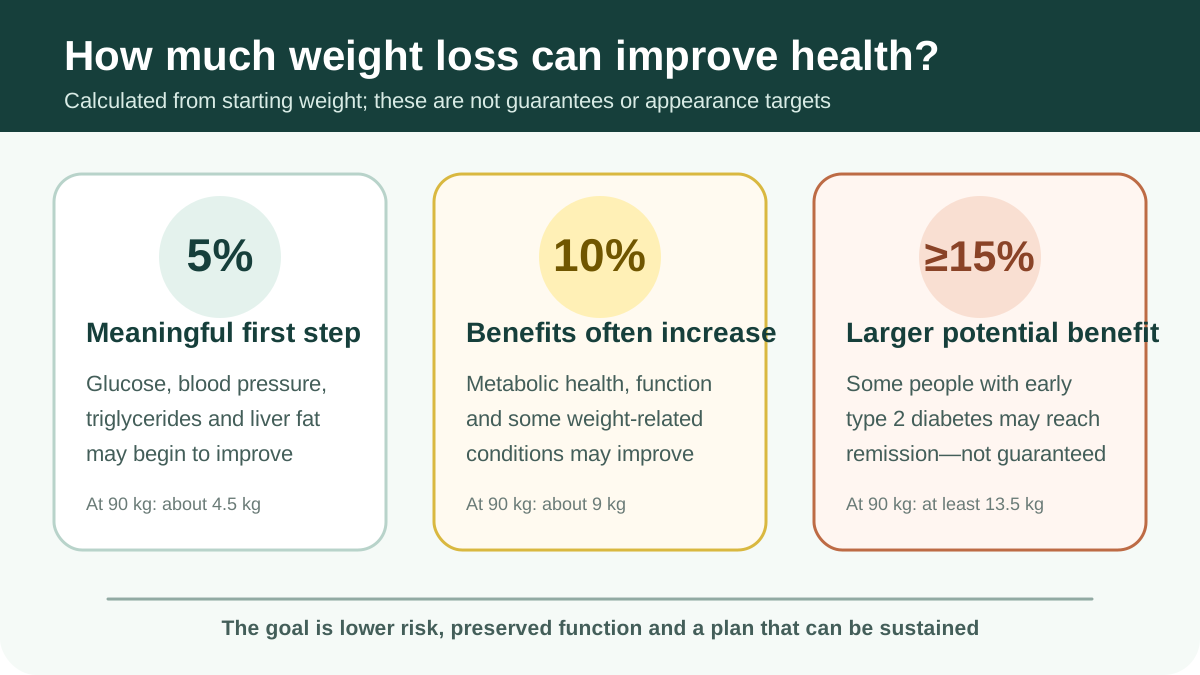
At 90 kg, 5% is 4.5 kg. This amount may improve fasting glucose, blood pressure, triglycerides and liver fat for some people. It does not guarantee normalization or mean treatment is complete; it provides a practical first target instead of demanding an immediate “ideal BMI.”
Ten percent: broader disease and functional benefits often emerge
As weight loss increases, improvement in metabolic disease, fatty liver, sleep apnea, joint load and function often becomes more likely, although different conditions require different amounts. Track blood pressure, glucose, waist, liver markers, sleep and function alongside weight.
Fifteen percent or more: larger benefits are possible
In intensive weight-management studies of relatively early type 2 diabetes, larger weight loss was associated with a higher chance of remission. Remission means glucose remains below a defined threshold without glucose-lowering medication; it is not a cure or a guarantee at 15%, and diabetes duration, pancreatic function, medication and weight regain all influence the result.
What belongs in a medical weight-management assessment?
A useful assessment is more than a scale and a prescription. It reviews weight history, previous approaches, diet, activity, sleep and snoring, stress, mood, binge eating or other eating disorders, alcohol, smoking, pregnancy plans, chronic disease and medicines that may promote weight gain. Depending on the person, examination and testing may include waist, blood pressure, glucose or HbA1c, lipids, liver and kidney function, with targeted evaluation for thyroid disease, sleep apnea, fatty liver or other conditions.
Goals should also be personal: glucose improvement, lower anesthetic risk, better sleep, easier walking or preserved strength may take priority over a particular scale number. Those priorities influence medication, nutrition, exercise and referral for metabolic surgery.
A complete plan does not mean starvation
- Nutrition: create a sustainable energy deficit while protecting protein, produce, whole grains and essential micronutrients; carbohydrates and fat do not need to be eliminated.
- Physical activity: build aerobic movement to current ability and add resistance work to protect strength, bone and function.
- Sleep and stress: identify insufficient sleep, apnea, shift work and stress-related eating.
- Behavioral support: use measurable goals, identify triggers and plan for relapse; involve psychological care when indicated.
- Prescription medication: when indications and goals support it, medicine can begin alongside lifestyle care; a person need not prove moral worth by “failing” a starvation diet first.
- Metabolic surgery: selected higher-risk patients may achieve larger and more durable metabolic benefit, balanced against operative risk and lifelong nutritional follow-up.
Who may discuss anti-obesity medication with a clinician?
Taiwan classifies adult BMI 27 or above as obesity, but a disease threshold is not the same as a product's prescribing indication. A common adult chronic-weight-management label uses:
- BMI ≥30 kg/m²; or
- BMI ≥27 kg/m² with at least one weight-related condition, such as type 2 diabetes, hypertension, dyslipidemia or obstructive sleep apnea, as specified in the particular label.
The active ingredient, brand, age and current Taiwan approval govern eligibility. Central obesity alone or a wish for rapid cosmetic loss does not automatically justify medicine. Conversely, when risk is clear, current EASO 2025 and ADA 2026 guidance supports choosing treatment according to complications rather than treating pharmacotherapy only as a last resort.
How much weight do different medicines reduce on average?
The table uses representative trial averages to show scale, not rank. Populations, diabetes status, lifestyle programs, doses, completion and analysis differed. Results across separate trials cannot be compared as if they were head-to-head and do not predict an individual's outcome.
| Ingredient / common brand | Mechanism and route | Representative mean weight change | Common effects and major exclusions |
|---|---|---|---|
| Orlistat Xenical | Reduces absorption of some dietary fat by inhibiting intestinal lipase; oral. | Generally modest; one-year trials commonly show about 3 percentage points more loss than placebo. | Oily stool, urgency, gas and diarrhea. Avoid in chronic malabsorption or cholestasis; review fat-soluble vitamins and interactions. |
| Naltrexone / bupropion ER Contrave ER; Taiwan brand and availability depend on approval | Acts on appetite and reward pathways; oral with gradual escalation. | COR-I at 56 weeks: about −6.1% versus −1.3% with placebo. | Nausea, constipation, headache, insomnia and possible blood-pressure or heart-rate rise. Not for uncontrolled hypertension, seizures, some eating disorders or chronic opioid use. |
| Semaglutide 2.4 mg Wegovy | GLP-1 receptor agonist; weekly subcutaneous injection with gradual escalation. | STEP 1 at 68 weeks: −14.9% versus −2.4% with placebo. | Nausea, vomiting, diarrhea, constipation and abdominal pain. Review pancreatitis, gallbladder disease, dehydration, severe gastric-emptying problems and specified thyroid-tumor history. |
| Tirzepatide Mounjaro in Taiwan | Dual GIP/GLP-1 receptor agonist; weekly subcutaneous injection with gradual escalation. | SURMOUNT-1 at 72 weeks: −15.0%, −19.5% and −20.9% at 5, 10 and 15 mg, versus −3.1% with placebo. | Nausea, diarrhea, constipation, reduced appetite and abdominal pain. Important warnings overlap with GLP-1 medicines; diabetes drugs and anesthesia plans must be reviewed. |
Which medication safety checks must not be skipped?
- Legitimate prescription: injectable and oral prescription weight-loss medicines require medical assessment and pharmacist dispensing. Avoid unverified online, repackaged or “same ingredient” products.
- Pregnancy: weight loss is not a treatment goal during pregnancy. Discuss pregnancy plans early and follow the product-specific stopping interval.
- Pancreas and gallbladder: persistent or severe upper-abdominal pain, pain to the back, repeated vomiting, fever or jaundice needs prompt assessment.
- Dehydration and kidneys: repeated vomiting or diarrhea, inability to drink, markedly reduced urine, dizziness or weakness should not simply be endured.
- Hypoglycemia: GLP-1-based treatment alone has a low hypoglycemia risk, but insulin or a sulfonylurea may need adjustment.
- Surgery and anesthesia: altered gastric emptying matters for aspiration risk. Tell the procedural and anesthesia teams; they decide any medication adjustment.
Insufficient response, a plateau or regain after stopping does not represent personal failure. Clinicians reassess tolerability, adherence, sleep, comorbidity, weight-promoting medication, nutrition and movement before continuing, changing or escalating care.
When should metabolic and bariatric surgery be assessed?
Metabolic surgery is not liposuction and is not simply “making the stomach smaller.” Procedures such as sleeve gastrectomy and Roux-en-Y gastric bypass affect intake, gastrointestinal hormones and metabolism. International ASMBS/IFSO guidance recommends assessment at BMI ≥35 and consideration at BMI 30–34.9 with metabolic disease or inadequate durable improvement from nonsurgical care; population-specific thresholds may be lower for Asian patients.
International recommendations do not necessarily equal Taiwan hospital entry or insurance coverage rules. A real decision integrates complications, previous treatment, anesthetic and surgical risk, nutrition, eating behavior, psychological health and ability to complete lifelong supplementation and follow-up. Surgery can deliver substantial benefit but carries risks including bleeding, leak, thrombosis, gallstones, reflux, nutritional deficiency and further intervention.
Obesity and medical weight-management FAQ
Is obesity really a disease?
Yes. Obesity is a chronic, relapsing disease in which abnormal or excessive body fat impairs health. Genetics, neurohormonal biology, metabolism, behavior and environment all contribute; it is not a failure of willpower.
Can losing only 5% of starting weight help health?
It can. About 5% weight loss is a clinically meaningful first target and may improve glucose, blood pressure, triglycerides and liver fat. The amount and timing of benefit vary by condition and person.
What BMI is considered obesity in Taiwan?
Taiwan's adult thresholds define BMI 24 to under 27 as overweight and BMI 27 or above as obesity. Central obesity is a waist of at least 90 cm in men or 80 cm in women. BMI must still be interpreted with waist, body composition and complications.
Does a BMI of 27 automatically qualify someone for weight-loss medication?
No. A common adult label threshold is BMI 30 or above, or BMI 27 or above with at least one weight-related condition. Approved indications, ages and contraindications differ by product, so the current Taiwan label and an individual assessment govern prescribing.
Must weight-loss medication be taken for life?
There is no single duration for everyone. Obesity often relapses and appetite or weight may return after stopping. Continued, adjusted or discontinued treatment should be decided from benefit, adverse effects, risk, cost and the sustainable long-term plan.
Can different weight-loss medicines be combined?
Do not combine them without a prescriber. Anti-obesity drugs, GLP-1-based medicines, diabetes drugs and supplements may duplicate effects or increase harm. The clinician should review the complete medication list.
When should metabolic or bariatric surgery be assessed?
Assessment considers BMI, type 2 diabetes, sleep apnea, fatty liver and other complications, response to nonsurgical care, operative risk and ability to complete lifelong follow-up. International recommendations and Taiwan hospital or coverage criteria may differ.
Medical review and sources
Written and medically reviewed by Dr. Marco Ha. Last updated September 1, 2026. This page is general education for shared decision-making and does not replace examination, individualized prescribing or metabolic-surgery assessment.
- World Health Organization: Obesity and overweight
- Taiwan Health Promotion Administration: Adult BMI and waist thresholds
- Taiwan HPA: Evidence-based guideline for adult obesity prevention and treatment
- Taiwan FDA: Prescription and safety notice for GLP-1-based weight-control injections (2026)
- American Heart Association: Cardiovascular-Kidney-Metabolic Health
- EASO: 2025 framework for pharmacological treatment of obesity
- American Diabetes Association: Standards of Care in Diabetes—2026, Section 8
- STEP 1: Semaglutide 2.4 mg in adults with overweight or obesity
- SURMOUNT-1: Tirzepatide in adults with obesity
- COR-I: Naltrexone/bupropion in adult obesity
- DiRECT: Weight loss and type 2 diabetes remission
- ASMBS/IFSO: 2022 indications for metabolic and bariatric surgery
How sources are selected, reviewed and corrected: Medical editorial and sourcing policy.